
Understanding Dry Eye
Understanding the tear film and dry eye. ClearSeoul Eye Clinic offers dry eye treatment in korea, a 2-minute walk from Gangnam Station, with English-speaking medical coordinators throughout and the same price for international and Korean patients — no hidden markups. We help plan your pre-op exam and trip, if you want to know the cost of dry eye treatment in Korea and read reviews from international patients. Book a one-on-one consultation today.
Dry Eye Treatment in Korea: Choosing Understanding Dry Eye
- Overview: Understanding the tear film and dry eye
- Length of Stay: Your actual length of stay depends on your pre-op exam results and follow-up schedule.
- Interpreter: English and Chinese medical interpreters are with you throughout — from the pre-op exam and consultation to surgery and post-op follow-up, professional staff help you communicate every step of the way.
Procedure Overview
Dry eye is a condition that occurs when the surface of the eye dries out due to insufficient tear production or rapid evaporation of the tear film. The tear film that protects our eyes consists of three layers: the outer lipid (oil) layer, the middle aqueous (water) layer, and the inner mucin layer. If the balance of even one of these layers is disrupted, the tear film becomes unstable and dryness symptoms appear. When the lipid layer secreted by the meibomian glands is lacking, tears evaporate easily; when the aqueous layer is insufficient, there is simply not enough tear volume. Common symptoms include grittiness and a foreign-body sensation, burning, redness, blurred vision, light sensitivity, and even reflex tearing where the eyes paradoxically water. Prolonged smartphone and computer use, contact lens wear, dry indoor environments, aging, and hormonal changes are major contributing factors. Dry eye is more than a simple discomfort; left untreated, it can progress to corneal damage, so accurate diagnosis tailored to the cause and stepwise management are important. From artificial tear drops to meibomian gland care and light and radiofrequency therapy, management is customized according to each person's tear film condition.
Understanding Dry Eye — Clinic & Equipment
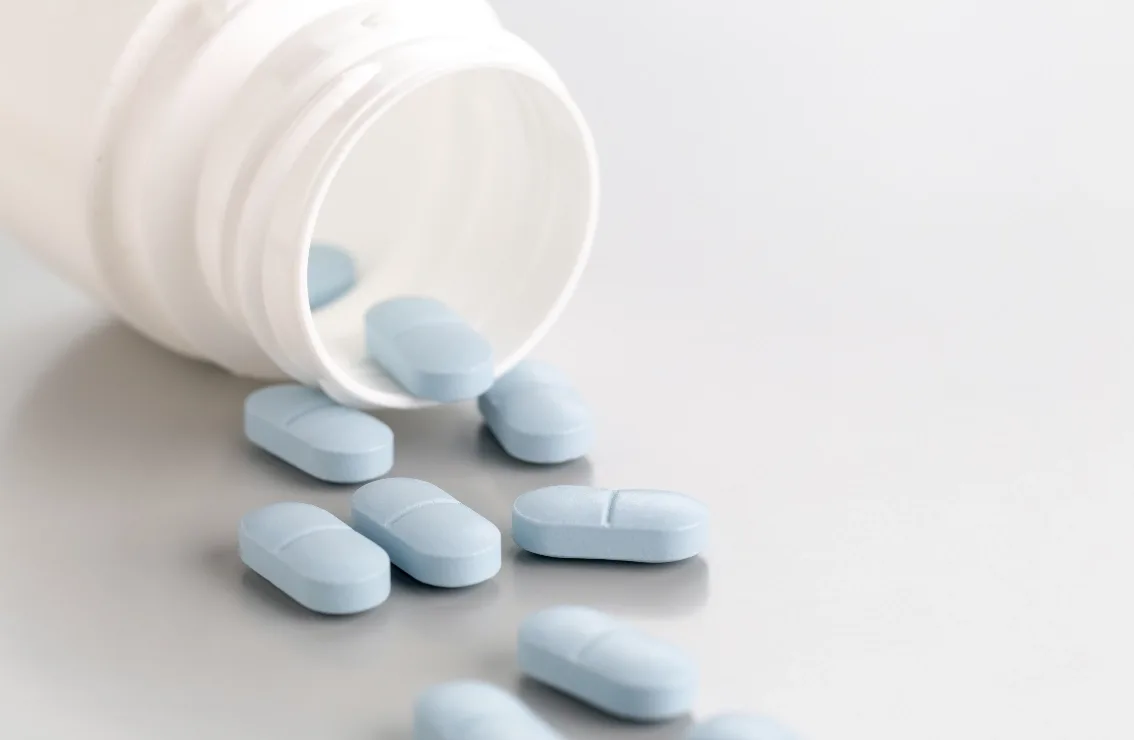

Dry eye is a condition that occurs when the surface of the eye dries out due to insufficient tear production or rapid evaporation of the tear film. The tear film that protects our eyes consists of three layers: the outer lipid (oil) layer, the middle aqueous (water) layer, and the inner mucin layer. If the balance of even one of these layers is disrupted, the tear film becomes unstable and dryness symptoms appear. When the lipid layer secreted by the meibomian glands is lacking, tears evaporate easily; when the aqueous layer is insufficient, there is simply not enough tear volume.
Common symptoms include grittiness and a foreign-body sensation, burning, redness, blurred vision, light sensitivity, and even reflex tearing where the eyes paradoxically water. Prolonged smartphone and computer use, contact lens wear, dry indoor environments, aging, and hormonal changes are major contributing factors.
Dry eye is more than a simple discomfort; left untreated, it can progress to corneal damage, so accurate diagnosis tailored to the cause and stepwise management are important. From artificial tear drops to meibomian gland care and light and radiofrequency therapy, management is customized according to each person's tear film condition.
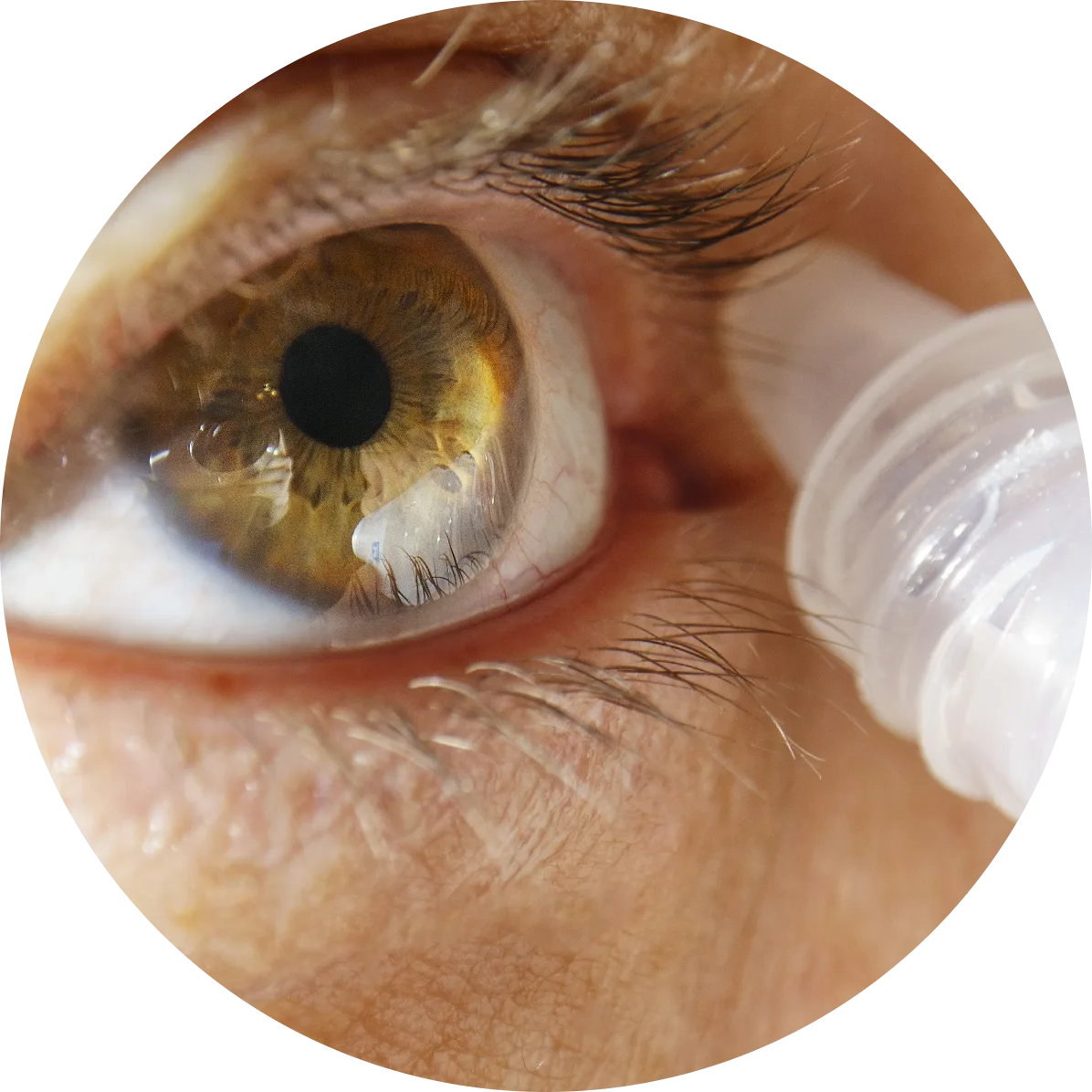
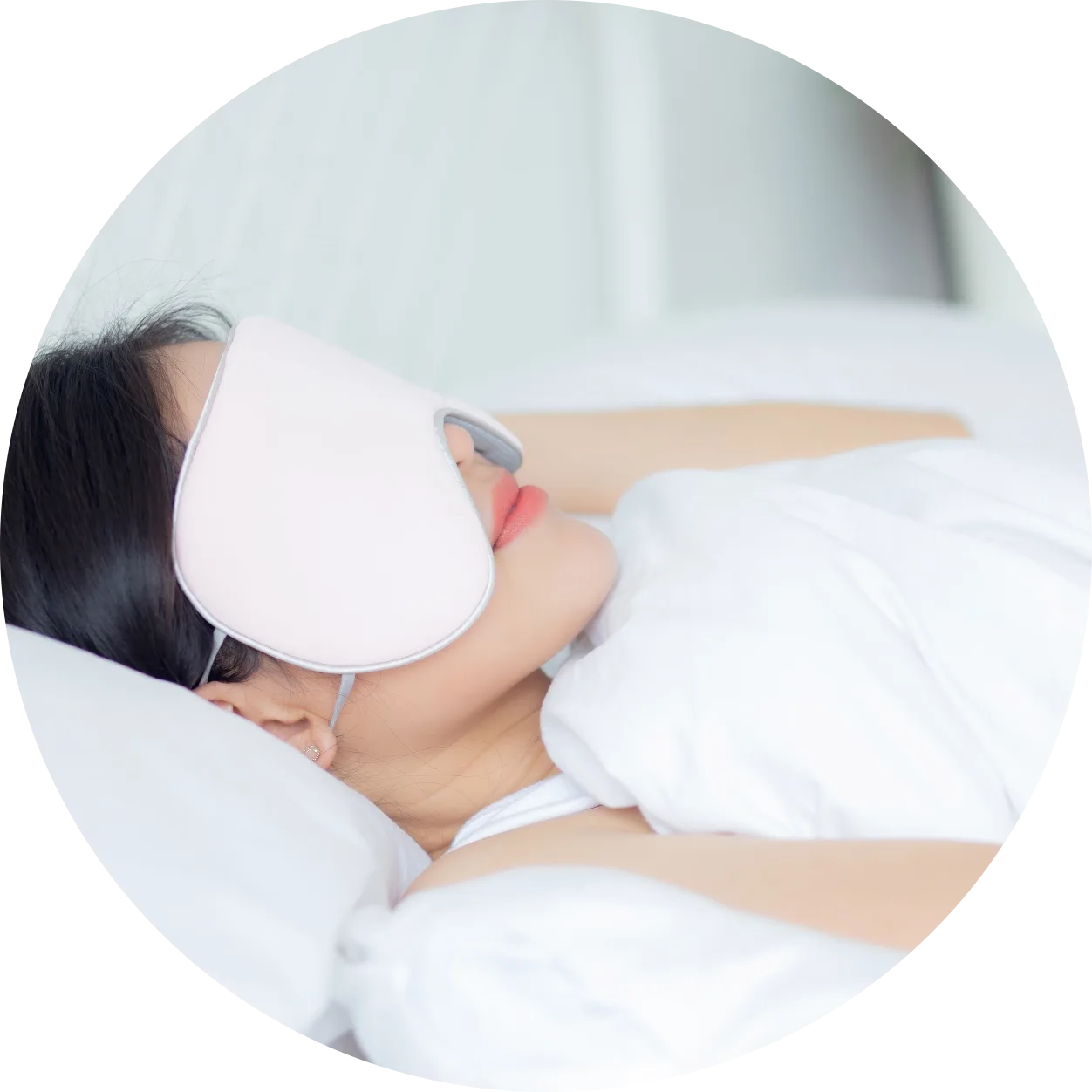
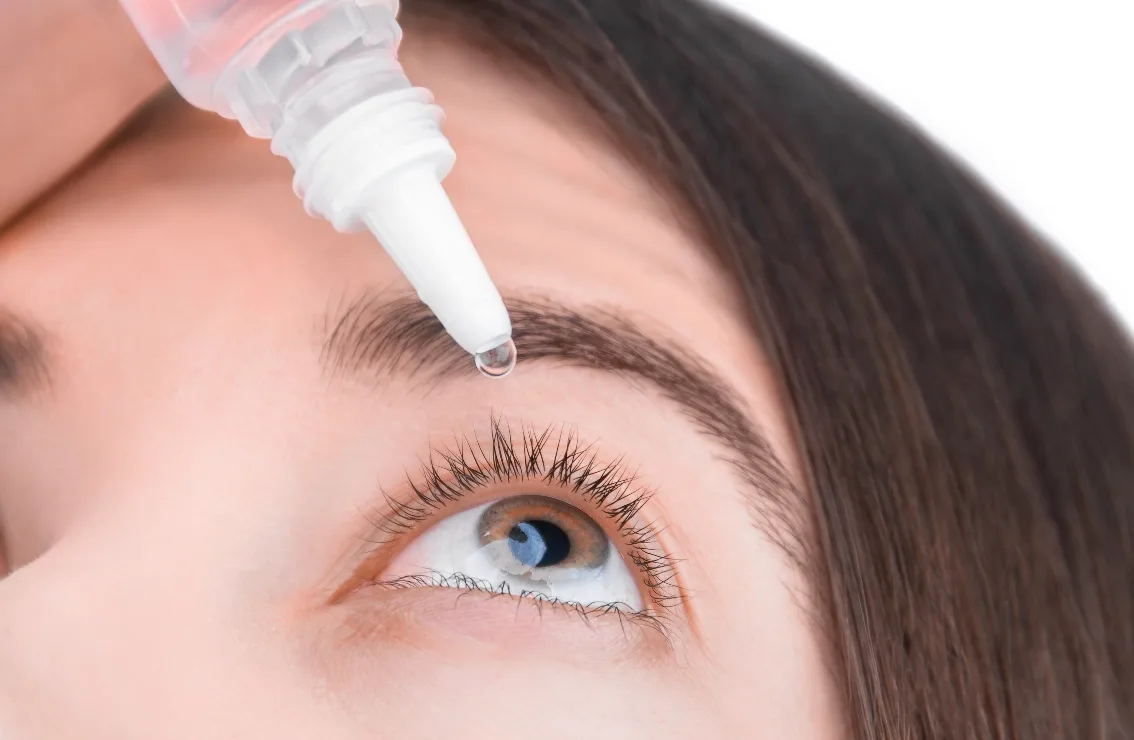
From artificial tears each morning to ease dryness, to the sting of long hours staring at a screen, to needing a sleep mask at night just to protect the tear film enough to rest comfortably — dry eye discomfort actually runs through an entire day's routine. Before starting dry eye treatment in Korea, understanding the tear film's three layers and the real causes of dryness here helps you find care matched to the true cause, not just temporary relief.
Who It's For
Treatment Process
Equipment Used
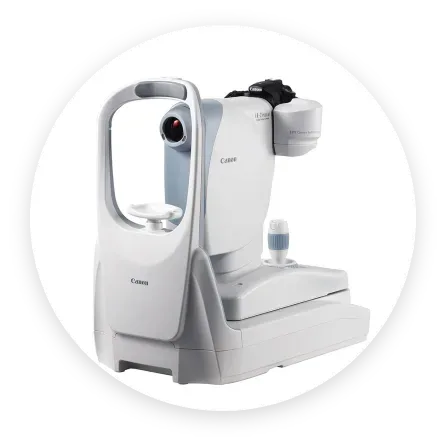
A Canon diagnostic imaging unit that photographs the retina and optic nerve at the back of the eye, used for comprehensive eye-health assessment.
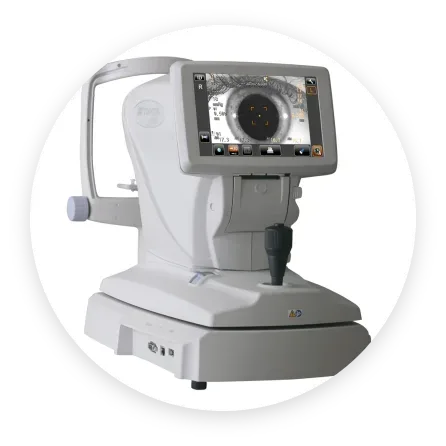
An automated device that quickly measures refractive errors — myopia, hyperopia, astigmatism — and corneal curvature, forming the basis for accurate prescription assessment.
Expected Results
- Helps you grasp the tear film and dry-eye mechanism
- Aids self-checking of key symptoms
- Supports understanding before exams and treatment
- Encourages day-to-day self-care
Frequently Asked Questions
Mild cases may benefit from artificial tears, but causes vary and tears alone sometimes improve things slowly. Care matched to your type helps.
Directions
6F, 17 Seocho-daero 77-gil, Seocho-gu, Seoul (BLOCK77)
Incheon Airport → Seoul Station (Express Train, ~43 min) → transfer to Line 2 or Sinbundang Line → Gangnam Station
Incheon Airport → bus toward Gangnam/Yeoksam (travel time varies with traffic)
Varies with traffic; can take longer during peak hours
※ Actual travel time varies with traffic and departure schedule; for reference only.